Cream for Skin Pigmentation: What Works, What Doesn't, and What Your Skin Actually Needs
Dark spots refusing to fade no matter what you try? Confused about which cream for skin pigmentation is worth your money and which is just marketing? Get clear, honest answers here — ingredients, routines, myths, and everything in between.
Pigmentation is one of the most common skin concerns in India — and one of the most frustrating to deal with. Whether it's stubborn melasma across your cheeks, post-acne dark marks that linger for months, or sun-induced patches that deepen every summer, uneven skin tone affects confidence in a very real way. The good news? The right cream for skin pigmentation can genuinely make a difference — if you know what to look for.
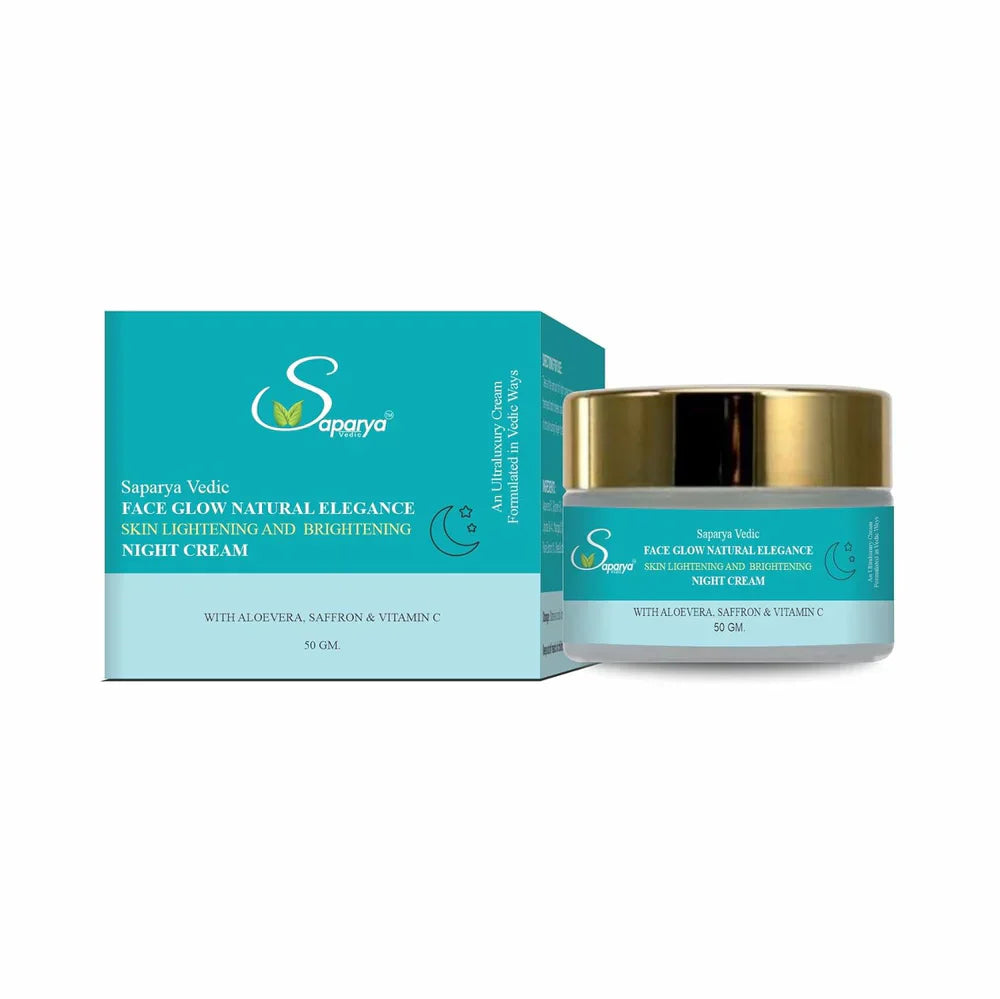
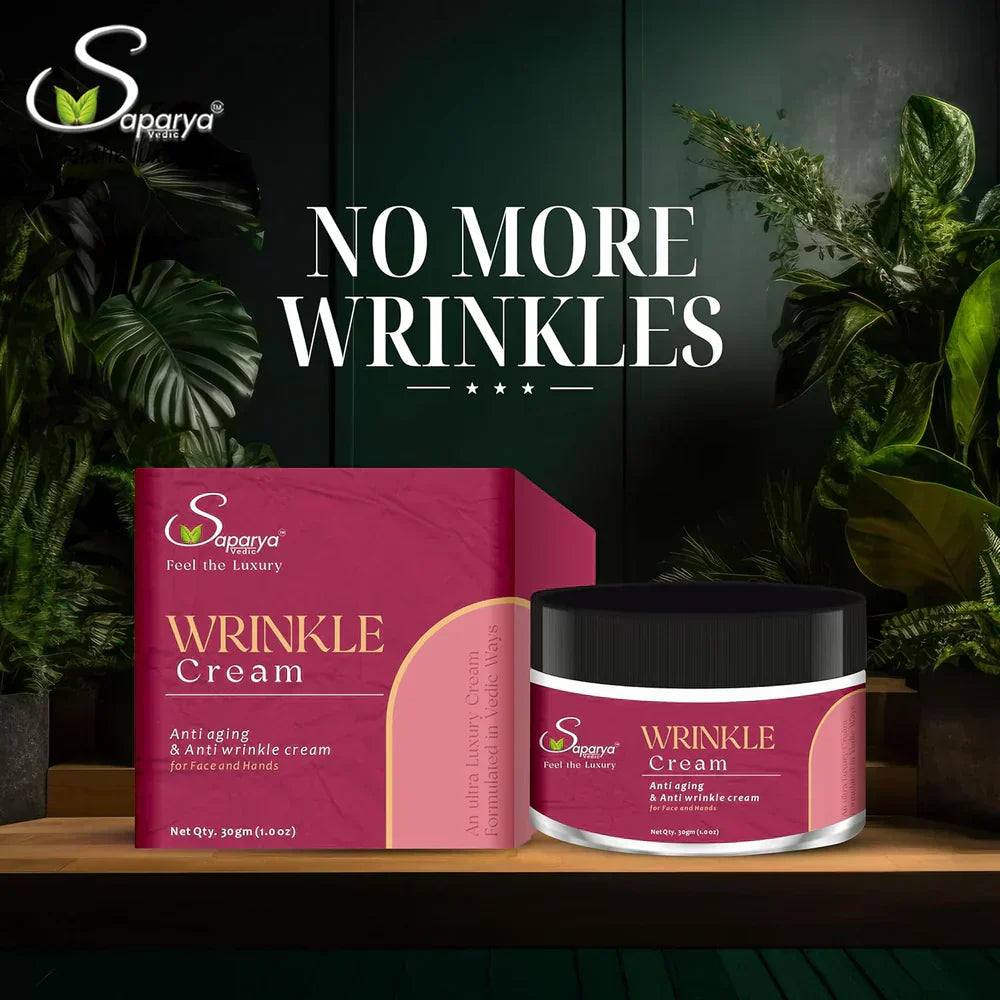
This guide walks you through everything honestly — what causes pigmentation, what ingredients actually treat it, how to choose the right product for your skin, and what realistic results look like. And if you're searching for a brand that combines the depth of Ayurvedic science with modern skincare intelligence, Saparya Vedic has been quietly crafting exactly that for Indian skin. More on that at the end.
What Is Skin Pigmentation and Why Does It Happen?
Pigmentation simply means darkening of the skin in certain areas due to excess melanin production. Melanin is the natural pigment that gives your skin its color — but when it's produced unevenly or in excess, it shows up as dark patches, spots, or an uneven complexion.
Common causes of skin pigmentation include:
- Sun exposure — UV rays are the number one trigger for excess melanin production
- Hormonal changes — Pregnancy, birth control pills, and thyroid issues can trigger melasma
- Post-acne marks (PIH) — Post-inflammatory hyperpigmentation left behind after breakouts
- Ageing — Age spots and liver spots appear as skin renewal slows down over time
- Friction and pressure — Repeated rubbing on areas like knees, elbows, and underarms causes darkening
- Pollution and oxidative stress — Environmental toxins damage skin cells and trigger uneven tone
- Injuries or burns — Scarring can leave behind darker patches as skin heals
Understanding your type of pigmentation helps you choose the most effective cream for skin pigmentation — because not all dark spots are caused by the same thing.
What Ingredients Should a Good Cream for Skin Pigmentation Contain?
This is where most people go wrong — choosing a product based on brand name or price rather than what's actually inside it.
Here's a clear breakdown of ingredients that genuinely work:
Clinically proven depigmenting ingredients:
- Vitamin C (Ascorbic Acid) — Inhibits melanin synthesis and brightens existing dark spots
- Niacinamide — Prevents melanin transfer to skin cells; visibly evens out skin tone
- Alpha Arbutin — One of the most effective and gentle melanin inhibitors available
- Kojic Acid — Derived from natural fungi; targets stubborn patches and spots
- Azelaic Acid — Particularly effective for PIH and melasma; also reduces inflammation
- Tranexamic Acid — Newer active that works well for hormonal pigmentation and melasma
- Retinol — Speeds up cell turnover to push pigmented cells out faster
Ayurvedic and natural ingredients for pigmentation:
- Manjistha — A powerful Ayurvedic herb known for clearing deep-set pigmentation
- Turmeric (Curcumin) — Anti-inflammatory and melanin-inhibiting; a time-tested Indian remedy
- Licorice Root Extract — Contains glabridin, which blocks melanin-triggering enzymes
- Amla — Rich in natural Vitamin C; brightens and protects against oxidative stress
- Saffron — Antioxidant-rich; gradually evens skin tone with consistent use
- Vetiver (Khus) — Cooling, detoxifying, and known to reduce pigmentation in Ayurvedic tradition
The most effective cream for skin pigmentation will combine several of these — not rely on a single ingredient to do all the work.
What Are the Different Types of Pigmentation and How Do They Differ?
Not all pigmentation is the same — and understanding the type helps you treat it correctly.
Melasma:
- Large, symmetrical brown or greyish patches — usually on cheeks, forehead, and upper lip
- Triggered by hormones and worsened by sun exposure
- Needs sustained treatment and strict SPF discipline
Post-Inflammatory Hyperpigmentation (PIH):
- Dark marks left after acne, rashes, or skin injuries
- Common in deeper skin tones
- Responds well to Vitamin C, niacinamide, and azelaic acid
Sun Spots / Age Spots:
- Small, well-defined dark spots from cumulative sun damage
- More common with age and outdoor exposure
- Kojic acid and retinol work particularly well here
Freckles:
- Genetically determined; worsen with sun exposure
- Can be managed with SPF and brightening actives
Friction Darkening:
- Darkening on knees, elbows, underarms from repeated pressure or rubbing
- Needs a cream for skin pigmentation along with gentle exfoliation
Chemical vs. Natural Creams for Skin Pigmentation — Which Should You Choose?
Both have their place in a good skincare routine. Here's a straightforward comparison:
Chemical / Pharmaceutical Creams:
- Deliver faster, more targeted results for specific pigmentation types
- Strong actives like hydroquinone can cause irritation, redness, or rebound darkening if overused
- Some are not suitable for long-term daily use without medical supervision
- Can thin the skin barrier with prolonged use of certain ingredients
- Work best when guided by a dermatologist for severe or stubborn pigmentation
Natural / Ayurvedic Creams:
- Work more gradually but support overall skin health while treating pigmentation
- Gentle enough for daily, long-term use on all skin types
- Rarely cause irritation or sensitivity reactions
- Treat the root causes — inflammation, oxidative stress, and melanin imbalance
- Particularly suitable for Indian skin dealing with heat, humidity, and sun year-round
- Often free from parabens, synthetic fragrances, and harmful fillers
The smartest approach is a cream for skin pigmentation that blends clinically validated actives with a clean, plant-based formulation — effective without being harsh on your skin's long-term health.
How Do You Choose the Right Cream for Skin Pigmentation for Your Skin Type?
Your skin type and pigmentation type should both influence your choice.
Here's a quick guide:
Oily or Acne-Prone Skin:
- Choose lightweight, non-comedogenic formulas
- Niacinamide and azelaic acid work excellently — they treat pigmentation and control breakouts together
Dry Skin:
- Look for creams with hyaluronic acid or glycerin alongside brightening actives
- Avoid anything with high alcohol content that strips moisture
Sensitive Skin:
- Go fragrance-free and choose gentle actives like alpha arbutin and licorice root
- Avoid strong acids or retinol until skin is used to brightening actives
Combination Skin:
- A balanced formula with Vitamin C and niacinamide addresses both oily and dry zones
- Gel-cream textures work best
Skin with Hormonal Pigmentation (Melasma):
- Tranexamic acid and azelaic acid are most effective
- Combine with strict daily SPF — without it, even the best cream won't work
How Should You Apply a Cream for Skin Pigmentation Correctly?
The right technique maximises your results.
Follow this simple routine:
- Cleanse thoroughly — start with a clean, makeup-free face
- Apply toner — balances skin pH and preps it to absorb the cream better
- Apply your pigmentation cream — use a small amount, dabbing gently onto dark spots and affected areas
- Pat, don't rub — patting ensures even absorption without dragging the skin
- Layer with moisturizer — locks in the active ingredients and prevents dryness
- Always finish with SPF in the morning — this step is non-negotiable; sun exposure will reverse your progress
- Use consistently — most dermatologists recommend at least 8–12 weeks of daily use before judging results
How Long Does It Take to See Results?
Here's an honest, realistic timeline you can actually work with:
- Week 1–2: Skin feels more hydrated and slightly more even in texture
- Week 3–4: Surface dullness reduces; recent dark spots begin to lighten slightly
- Week 6–8: Visible fading of post-acne marks and mild sun spots
- Week 10–12: Significant improvement in overall skin tone and deeper pigmentation
- Week 16+: Stubborn melasma and hormonal pigmentation show more noticeable fading
Consistency and SPF use are the two biggest factors that determine how fast your results show up.
Frequently Asked Questions
Q: Can a cream for skin pigmentation completely remove dark spots?
Complete removal depends on the depth and type of pigmentation. Surface-level spots from sun or post-acne marks respond very well to topical creams. Deeper pigmentation like melasma may lighten significantly but require longer treatment and professional guidance for complete fading.
Q: Is it safe to use a pigmentation cream every day?
Yes — if the formula is designed for daily use. Natural and Ayurvedic creams are almost always safe for daily application. Stronger chemical actives like prescription retinoids or high-concentration acids should be used as directed.
Q: Can I use a pigmentation cream during pregnancy?
Many ingredients commonly found in pigmentation creams — including retinol and certain acids — are not recommended during pregnancy. Stick to natural, Ayurvedic formulas and always consult your doctor before starting any new skincare during pregnancy.
Q: Do I need sunscreen if I use a pigmentation cream?
Yes — always. Without SPF, UV exposure continues triggering melanin production, which directly undoes the work your cream is doing. Sunscreen is not optional when treating pigmentation — it's the most important step in your routine.
Q: Can a cream for skin pigmentation work on body areas like knees and elbows?
Yes — many formulas work effectively on body pigmentation too. Apply consistently on affected areas and follow with SPF if those areas are sun-exposed.
Q: Can men use pigmentation creams?
Absolutely. Men deal with sun damage, post-shave marks, and uneven tone just as commonly. A good cream for skin pigmentation works equally well regardless of gender.
Q: What's the difference between a brightening cream and a pigmentation cream?
A brightening cream targets overall dullness and radiance. A pigmentation cream is more specifically formulated to target dark spots, patches, and uneven tone caused by excess melanin. Some products do both — but it's worth checking the ingredient list to confirm which concern the formula prioritizes.
Q: Can I use Vitamin C and niacinamide together in my pigmentation routine?
Yes — despite some older myths, Vitamin C and niacinamide can be used together and are actually a powerful combination for treating pigmentation. Apply them at different steps in your routine for best results.
Final Thoughts
Skin pigmentation is persistent — but it is treatable. With the right cream for skin pigmentation, a consistent daily routine, and the discipline to wear SPF every single day, your skin can and will transform over time. The key is choosing a product whose ingredients are backed by science or Ayurvedic tradition — not just clever marketing.
If you're looking for a skincare brand that truly understands Indian skin — its unique relationship with the sun, its sensitivity to hormones, and its deep cultural connection with Ayurvedic healing — Saparya Vedic is a name worth knowing. Their formulations are rooted in ancient Vedic wisdom, thoughtfully updated for modern skin concerns, and created with the kind of ingredient transparency that every skincare brand should offer. Because your skin deserves honesty as much as it deserves care.